Multi-Ingredient Composition
Ten ingredients in one capsule routine means a single purchase covers fibers, botanicals and a probiotic, instead of a separate product for each.
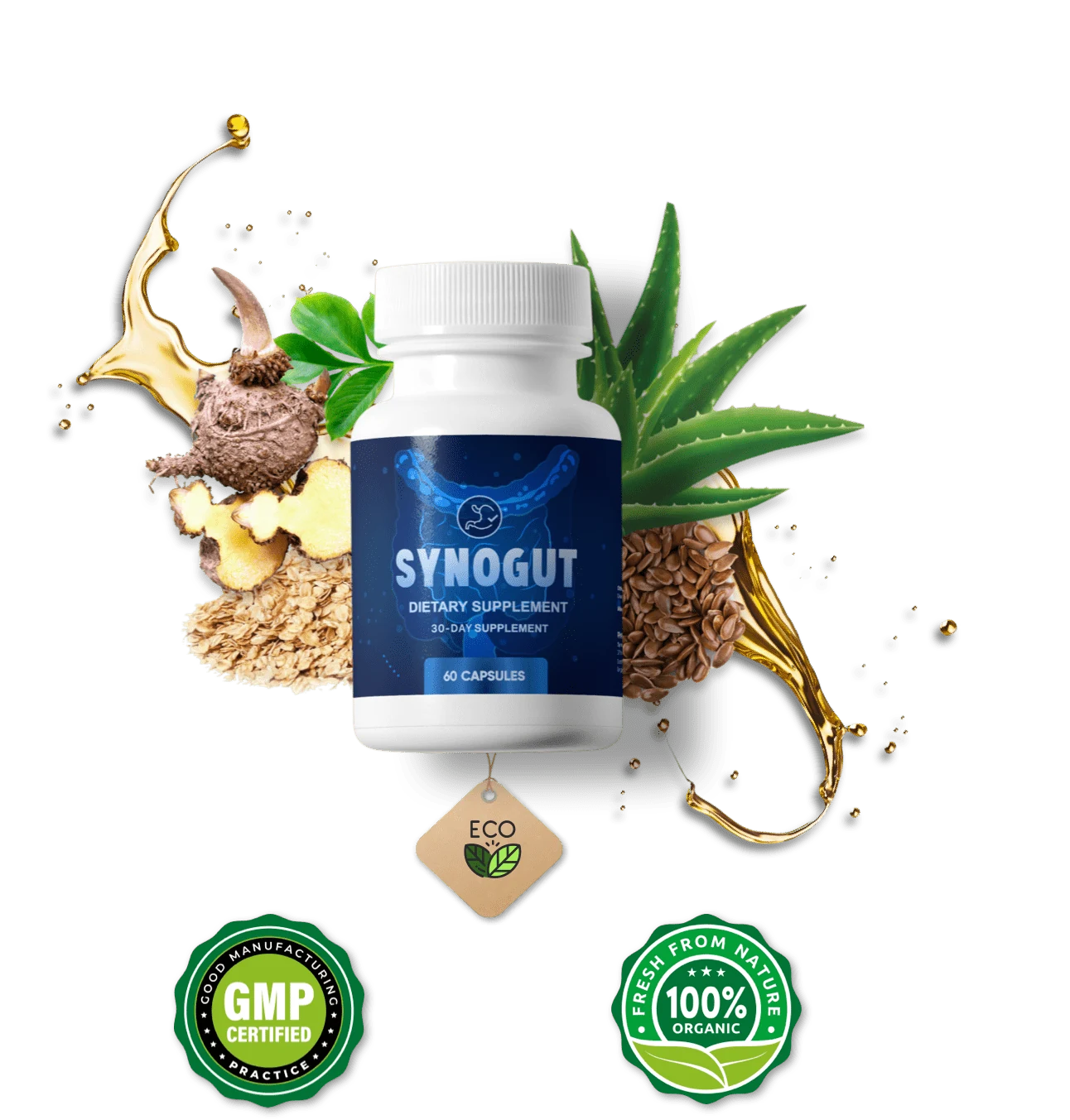
SynoGut is a capsule supplement sold for everyday digestive support. Its formula pairs fiber ingredients such as psyllium, oat bran and apple pectin with botanicals, bentonite clay and the probiotic Lactobacillus acidophilus.
The formula covers three different roles in one capsule routine: water-absorbing fibers that add bulk, a live probiotic culture, and a mix of botanicals and mineral clay that goes beyond a standard fiber product. It suits people who prefer one daily routine to managing several separate supplements, and it is best seen as an addition to a balanced, fiber-rich diet, not a replacement for one.
SynoGut is a digestive-health dietary supplement sold in capsule form. It is positioned for adults who want daily support for bowel regularity and general gut comfort, not for treating a diagnosed condition.
The formula has ten ingredients: psyllium husk, bentonite clay, black walnut hull, oat bran, flaxseed, prune fruit, aloe vera leaf, Lactobacillus acidophilus, apple pectin and glucomannan root. Most are fibers or fiber-containing plant materials; bentonite is a mineral clay, and Lactobacillus acidophilus is a live bacterial species.
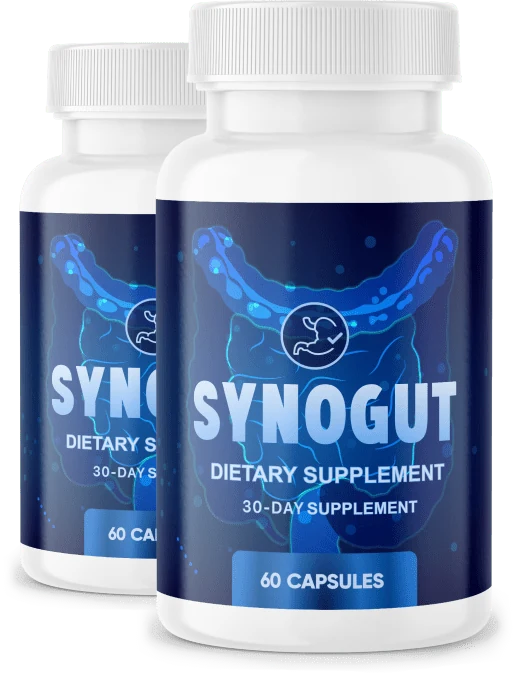
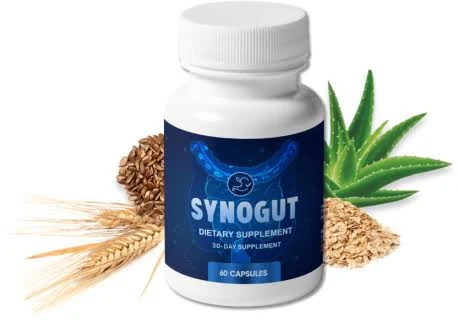
Available product information describes a bottle of 60 capsules, presented as a 30-day supply. SynoGut is not a prescription medication and is not intended to diagnose, treat, cure or prevent any disease.
| Product Detail | Available Information |
|---|---|
| Product name | SynoGut |
| Category | Digestive-health dietary supplement |
| Format | Capsules |
| Ingredients | 10 |
| Bottle quantity | 60 capsules |
| Supply duration | 30 days |
| Serving | Two capsules on previously published label |
| Purchase model | One-time payment |
| Refund offer | 60-day money-back guarantee |
| Intended audience | Adults evaluating digestive-health supplements |
The current Supplement Facts label and the final checkout page take priority over any older product material.
SynoGut stands apart from single-ingredient fiber products mainly through how the formula is assembled and delivered. These are structural features of the product, not evidence of how well it performs.
Ten ingredients in one capsule routine means a single purchase covers fibers, botanicals and a probiotic, instead of a separate product for each.
Psyllium, oat bran, flaxseed, apple pectin and glucomannan make up the fiber side of the formula, and each behaves differently in water.
Prune, aloe vera leaf, black walnut hull and bentonite clay take the formula beyond ordinary fiber supplements.
Lactobacillus acidophilus is the only live organism in the formula, which separates SynoGut from plant-only blends and makes it the one ingredient that depends on storage and shelf life.
The product is sold as capsules rather than a powder to measure and stir.
SynoGut lists ten ingredients: fibers, plant materials, a mineral clay and a probiotic. Individual amounts were not disclosed on the older label (see the Quality section).
Several, including oat bran, flaxseed and prune, are best studied as whole foods in gram-level servings, which a capsule is unlikely to match.
Psyllium husk is the seed coat of Plantago ovata and the ingredient with the longest record in over-the-counter fiber products. To gauge scale, the FDA's authorized soluble-fiber and heart-disease claim (21 CFR 101.81) sets 7 grams a day of psyllium husk as its threshold. That rule concerns cholesterol and heart-disease risk, is not an assessment of SynoGut, and gives no basis to say the product qualifies for it, since its psyllium amount is undisclosed.
Bentonite is a mineral clay that binds water and adsorbs other substances. Its industrial and cosmetic uses do not establish a digestive benefit when swallowed.
Purity is the practical concern: the FDA has warned consumers against one bentonite clay product after laboratory tests found elevated lead. Ask the seller about heavy-metal testing for the clay.
Black walnut hull is a botanical tied to traditional herbal preparations and sometimes recommended online for intestinal parasites. Tradition is not clinical evidence, and a suspected intestinal infection calls for medical assessment, not a supplement.
Oat bran is the fiber-rich outer layer of the oat grain and a source of beta-glucan. The same FDA rule (21 CFR 101.81) sets 3 grams a day of oat beta-glucan for its heart-health claim. Whether the capsule comes anywhere near that is unknown, and nothing suggests it meets the claim.
Flaxseed is a fiber-containing seed with a long history as a laxative. NCCIH notes that higher amounts may cause bloating, fullness and diarrhea.
Prune is simply dried plum. Whole dried plums have been studied for constipation, including in a randomized trial against psyllium, but a capsule of prune powder is a different form and amount, and the trial's details could not be checked.
With aloe vera leaf the preparation matters more than the name. NCCIH reports that oral aloe latex can cause abdominal pain, cramps and diarrhea, that non-decolorized whole-leaf extract is classed as a possible human carcinogen, and that inner-leaf gel is described as safe in short-term studies of up to 42 days.
The product details do not say which form is used.
Lactobacillus acidophilus is a common probiotic species. NCCIH says probiotic effects are strain-specific and that some products contain organisms other than those on the label.
A useful label names the strain and gives a CFU count guaranteed through expiration; neither appears in the product details, and that is the most important gap to close before buying.
Apple pectin is a soluble fiber that forms a gel with water and is common in foods and supplements. What it does depends on the type of pectin and the amount.
Glucomannan is a soluble fiber from konjac root. The NIH Office of Dietary Supplements summarizes trials of gram-level amounts that found no consistent effect on body weight, so its presence should not be read as a weight-loss feature.
SynoGut is built around several mechanisms rather than one, and the three below explain the logic of its ingredient list.
Psyllium and glucomannan absorb water and form a thick gel. MedlinePlus describes psyllium as absorbing liquid in the intestines, swelling and forming a bulky stool, and the NIH Office of Dietary Supplements reports that glucomannan can absorb up to 50 times its weight in water.
Probiotics are live microorganisms meant to provide a health benefit, and Lactobacillus acidophilus is a common species in supplements. Which strain it is, and how many organisms survive to expiration, is covered under SynoGut Ingredients.
Bentonite is an adsorbent in laboratory and industrial settings, and it is often said to remove toxins in the gut; no evidence reviewed shows that for this product. Aloe and prune are traditionally associated with stool-softening or stimulating effects; the aloe form matters, as covered under SynoGut Ingredients.
SynoGut is positioned for digestive wellness and regularity. The practical value below is drawn from what its individual ingredients are known to do.
Psyllium is an established bulk-forming fiber, listed by MedlinePlus as a laxative for constipation. Studied servings are measured in grams, which makes the psyllium amount in SynoGut the figure that matters most for this benefit.
A capsule holds far less than a serving of vegetables, legumes or whole grains, so it would add to dietary fiber rather than replace it. The probiotic is the one component that is not a fiber, so any benefit from it depends on the strain and count discussed under SynoGut Ingredients.
Keep three kinds of statement apart: what an ingredient does at studied doses, what the seller says about the product, and what research shows about the finished formula. No study of the complete formula was found, and ingredient research does not transfer automatically to a capsule with different amounts and forms.
SynoGut is presented as a daily capsule supplement, and older packaging shows two capsules per serving, which matches the 60-capsule, 30-day bottle.
Check the current serving size, frequency and whether the capsules should be taken with food, and do not exceed the amount stated; higher amounts of fiber and botanicals make unwanted effects more likely. The formula contains water-absorbing fibers, so drink the fluid the label specifies with each serving. MedlinePlus, for example, calls for at least 8 ounces of liquid with psyllium products. If the directions are unclear, resolve that before the first dose.
Fiber can interfere with how some medicines are absorbed. MedlinePlus advises keeping psyllium away from digoxin, aspirin and nitrofurantoin, and NCCIH notes that flaxseed might theoretically interact with anticoagulant or antiplatelet drugs. Follow the current label and ask a pharmacist how to time your own medicines.
No reliable timeframe for any specific outcome can be drawn from the product details, and an early digestive change does not show the supplement is working. Be wary of any promise of results in a set number of days.
SynoGut's manufacturing and quality statements come from the seller, so the useful question is which of them you can actually check.
Under FDA rules a Supplement Facts panel must list each dietary ingredient, but amounts are not required for components inside a proprietary blend (FDA). That is why an older SynoGut panel could name its ingredients without giving individual quantities. Undisclosed amounts make it impossible to compare the product with ingredient research or with standalone products, though they do not by themselves make a product ineffective.
When comparing, the details that matter most are the per-ingredient amounts, ingredient forms, probiotic strain and CFU count, and capsule-shell material; the seller can be asked for any the current panel omits.
"FDA registered facility" and "GMP" describe a facility, not the finished product, and the FDA says registration is a legal requirement rather than a finding of safety or effectiveness. The FDA does not approve dietary supplements before they are marketed, so the manufacturer carries the initial responsibility for safety and labeling.
NCCIH adds a practical caution: what is on the label may not be what is in the product.
The most useful evidence is a batch-specific certificate of analysis covering identity, microbial contamination and contaminants such as heavy metals; a generic quality badge is not a laboratory result. The bottle should also match the promotional material in name, capsule count and formula, and if the label differs materially, ask the seller before taking it.
SynoGut may suit adults who are comparing digestive supplements and prefer one capsule formula that combines fibers, botanicals and a probiotic.
Someone who would rather not buy and dose several products may find one capsule formula easier to keep up, provided capsules are comfortable to swallow and nothing on the ingredient list is unwanted.
If you want a stated amount of psyllium, or a probiotic with a named strain and CFU count, pairing separate products gives you disclosed doses you can adjust one at a time, at the cost of two purchases and a busier routine. SynoGut trades that control for convenience, and for ingredients such as bentonite and black walnut that standalone fiber products leave out.
Anyone who is pregnant or breastfeeding, takes regular medication, has a digestive disorder, difficulty swallowing, a narrowing or blockage in the digestive tract, a weakened immune system or a tree-nut allergy should get advice from a healthcare professional before buying. Black walnut comes from a tree-nut species, so check the allergen statement on the bottle.
SynoGut has clear points in its favor and clear points to weigh before buying. This summary draws only on the product details and ingredient information covered on this page, and it is not a rating or a test result.
SynoGut is sold through the seller's online ordering process in several bottle configurations, with discounts on the multi-bottle packages. The prices below match the seller's offer when this page was updated; confirm the total at checkout, because offers can change.
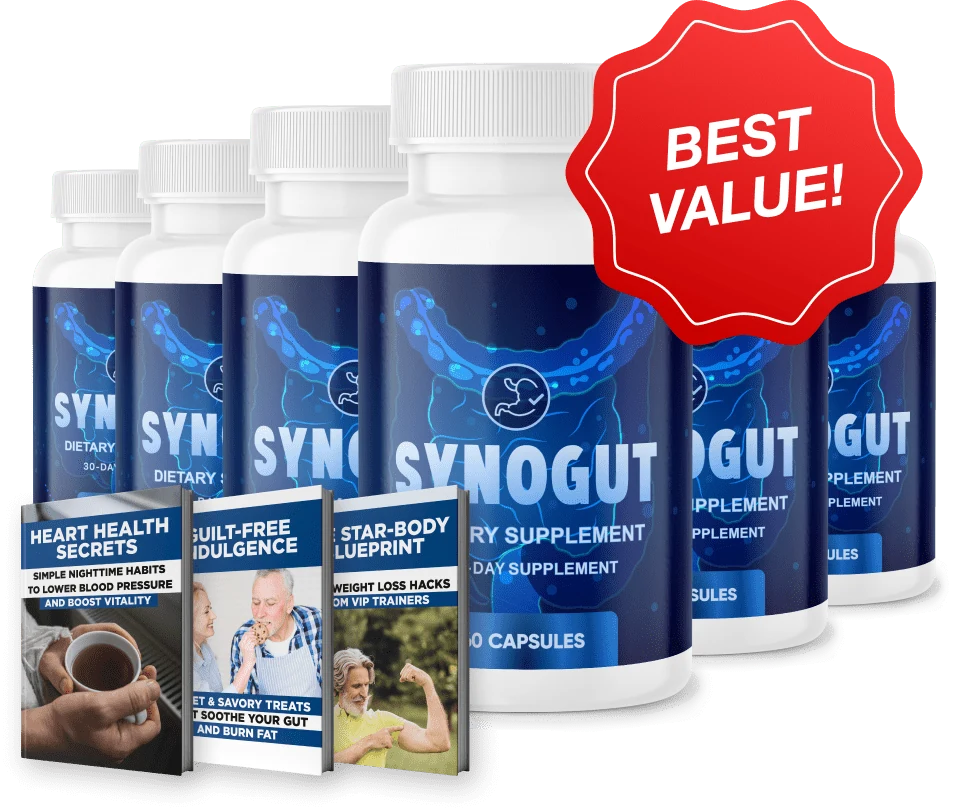
3 + 3 Bottles (6 Total) + 3 FREE Bonuses
$1074
$294
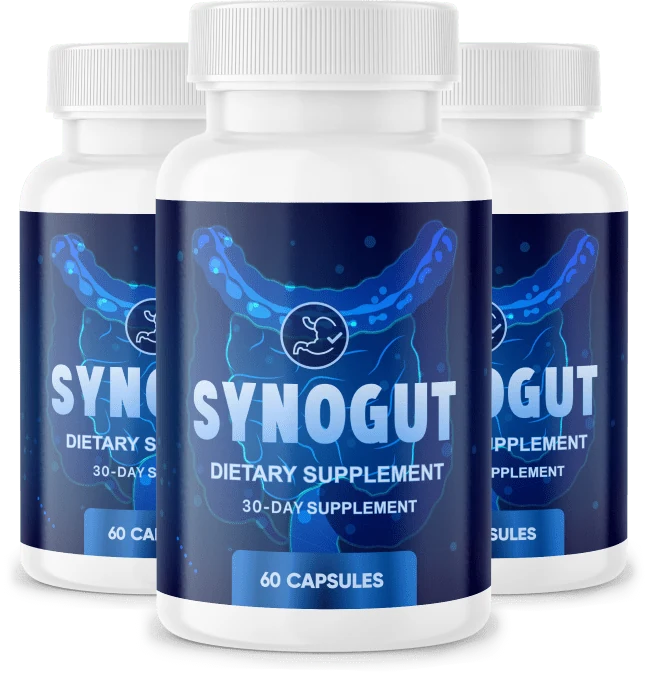
2 + 1 Bottles (3 Total)
$537
$207
Package names and prices are shown as they appear on the seller's page. The crossed-out reference prices are seller-advertised figures, not independently verified historical selling prices. Prices are in U.S. dollars. The two larger packages include bonus bottles (2 + 1 and 3 + 3), so the package name understates what arrives: 3 bottles and 6 bottles in total.
Use the final checkout price, not a crossed-out reference price. Divide the total by the number of 60-capsule bottles, and by 30 days each, to get a cost per day that can be compared with other products. The largest package has the lowest unit price but the largest outlay for a product you have not yet tried.
The seller lists free US shipping on the 3-bottle and 6-bottle packages and none on the 2-bottle Basic package, so confirm the shipping charge at checkout, plus any tax or import costs. Some order flows also add extra offers before payment; make sure the final summary contains only what you intended.
The seller adds three digital guides to the 6-bottle package. They are separate from the capsules, and the descriptions below are the seller's own wording. Their titles and claims have not been evaluated and say nothing about SynoGut itself.

Bonus #1
Retail price: $55 · Today: FREE
Covers ten evening routines aimed at circulation and energy, among them stretches before bed, a home remedy made from two pantry items, certain berries and a massage technique.

Bonus #2
Retail price: $54 · Today: FREE
A recipe collection of sweet and savory dishes, from chocolate crisps to pizza muffins, built around ingredients the seller describes as gut-friendly.

Bonus #3
Retail price: $54 · Today: FREE
A weight-loss guide with ten tips from nutritionists, five unconventional fat-burning methods, easy belly-flattening shortcuts and a warning about one common spice.

SynoGut is offered with a 60-day money-back guarantee for dissatisfied customers. The seller's written policy at checkout, not this summary, governs any refund request.
Check whether the 60 days run from the order date or the delivery date, because shipping time can eat into the period if it starts at the order. Confirm whether bottles must be sent back, whether opened or empty bottles qualify and whether you need a return authorization before shipping anything. A product refund may also exclude shipping, handling or other charges.
SynoGut can be ordered through the seller's online ordering process. This independent website provides information about the product and may link visitors to the seller through an affiliate arrangement.
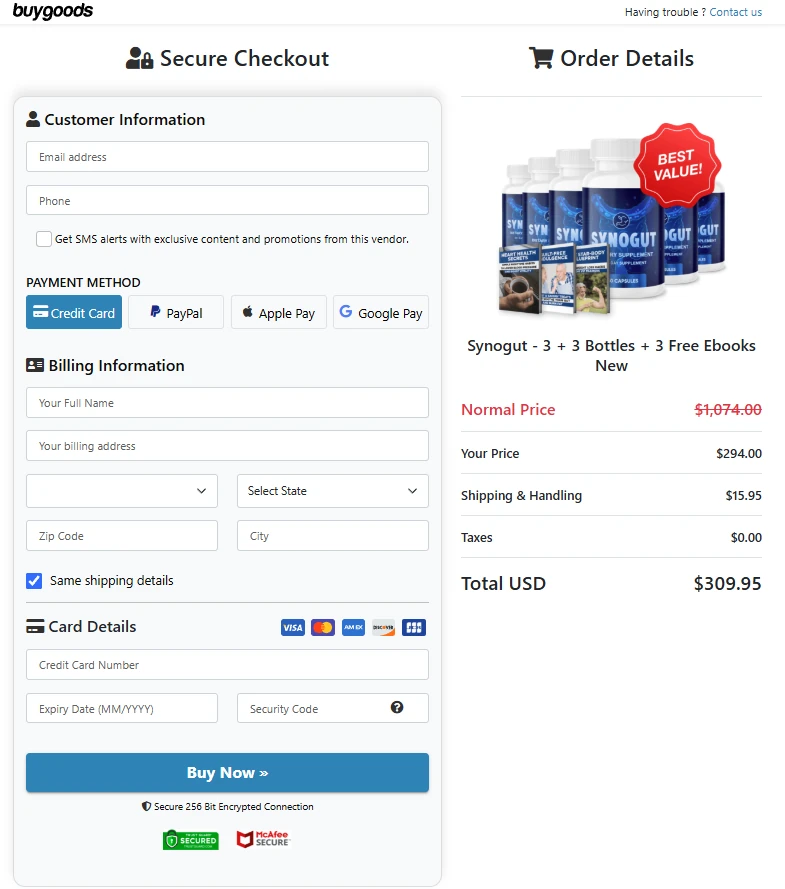
Similarly named supplements and third-party marketplace listings can differ in formula, distributor and return policy. Match the product images, label details and seller information with the offer you meant to choose.
Check the address bar for a secure connection before entering payment details; encryption protects data in transit but does not verify the seller's claims. The seller describes SynoGut as a one-time payment with no recurring shipments, so confirm the order summary says the same.
Afterward, keep the confirmation email, order number, package details and payment record. You will need them for shipping, billing and refund questions.
SynoGut buyers also ask about cost per day, refund timing, long-term use and combining products. These answers cover points the sections above do not.
Using the seller's totals and supply lengths, SynoGut works out to $79 per bottle for the 2-bottle package ($158), $69 for the 3-bottle package ($207) and $49 for the 6-bottle package ($294). Per day of supply that is about $2.63, $2.30 and $1.63. These figures exclude shipping, which the seller lists as free in the US only for the two larger packages.
The seller's SynoGut guarantee runs 60 days, and only the 2-bottle package is a 60-day supply. The 3-bottle (90-day) and 6-bottle (180-day) supplies run well past it. Whether the 60 days count from the order date or the delivery date is not confirmed here, so settle how refunds work for opened or partly used bottles before choosing a larger SynoGut package.
Do not take the capsules if the SynoGut bottle is cracked, the seal is broken or the contents look wrong. Photograph the box, bottle, label and shipping label, keep the packaging, and contact the seller's support with your order number and the photos soon, since the 60-day guarantee clock may already be running. Whether the seller replaces or refunds a damaged SynoGut order is not confirmed here.
Long-term safety is an open question: nothing found for this page documents extended use of SynoGut itself. For one ingredient, the NIH Office of Dietary Supplements says little is known about the long-term safety of glucomannan, and the aloe gel safety data from NCCIH stop at short-term studies of up to 42 days. Anyone planning to continue SynoGut beyond the first bottle should talk it over with a clinician.
SynoGut already combines several fibers and a probiotic, and its per-ingredient amounts are undisclosed, so adding another fiber or probiotic makes your total intake impossible to calculate. No research on those combinations was found for this page. If you already use such a product, ask a pharmacist or doctor whether to pause it before starting SynoGut.
Yes. SynoGut contains fibers and botanicals, and procedures involving the digestive tract or surgery often come with instructions about food and supplements. This page cannot say whether SynoGut should be paused, so tell the clinician running the procedure that you take it and follow their instructions.
The crossed-out figures ($358, $537 and $1074) are the seller's own reference prices, and this page cannot confirm that SynoGut was ever sold at them. They imply savings of $200, $330 and $780, but the more reliable comparison is what you would pay today and what arrives: bottles, supply days and shipping.
SynoGut supply lengths assume one person taking the label serving, so two people sharing would use a package about twice as fast: the 2-bottle package would last roughly 30 days instead of 60. Each person should check the label against their own medicines and health conditions, because one person's experience with SynoGut says little about another's.
The seller offer used for this page lists three SynoGut packages, and the smallest is the 2-bottle Basic package at $158. No single-bottle price was supplied, so this page cannot confirm one is sold. Basic is the smallest listed way to try SynoGut.
No. The three bonus guides are the seller's separate digital products, and their titles mention blood pressure and weight loss, which this page has not evaluated. They are unrelated to the SynoGut capsules, so talk to a clinician before changing blood-pressure medication or diet because of any guide that comes with a SynoGut order.
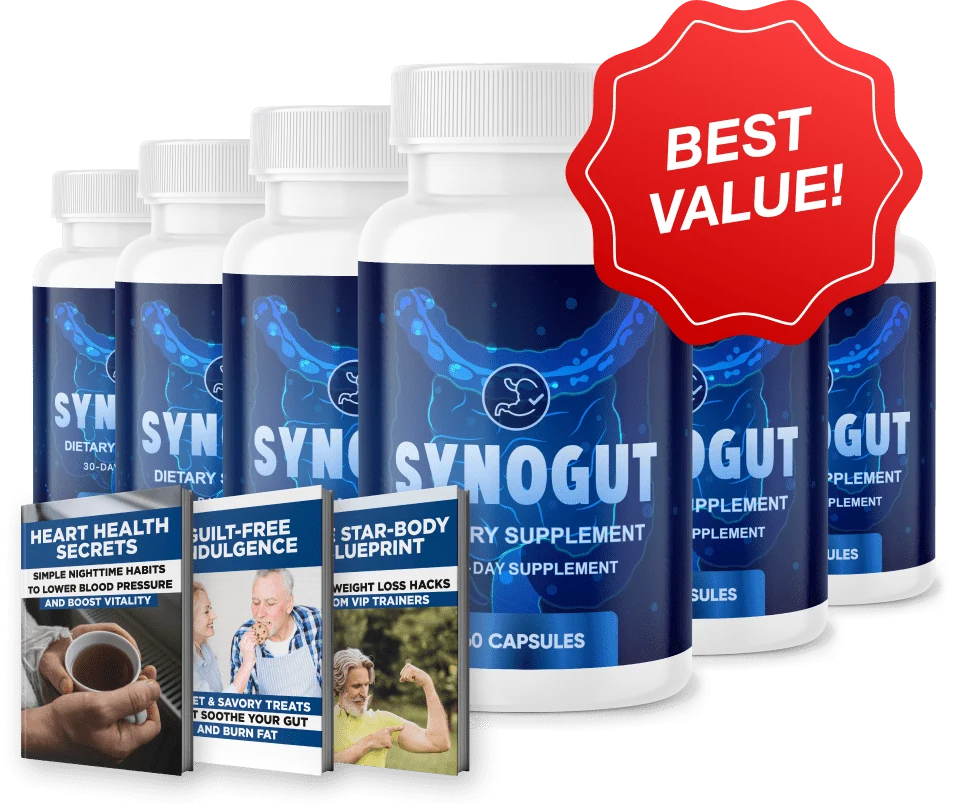
SynoGut is a multi-ingredient capsule supplement that combines fibers, botanicals and a probiotic for everyday digestive support. Whether it is a sensible purchase depends less on the ingredient list than on three things you can check yourself.
First, does the label state serving size, ingredient forms and allergens clearly? Second, does the formula suit your health situation and medicines? Third, are the price, shipping and refund terms acceptable for a product you have not tried?
Affiliate Disclosure: synougut.com is an independent affiliate website and is not the official SynoGut manufacturer or seller. We may earn commissions from qualifying purchases made through affiliate links, at no additional cost to the buyer.
Medical Disclaimer: The information on this website is provided for general educational and product-evaluation purposes. It is not medical advice. Dietary supplements are not intended to diagnose, treat, cure, or prevent disease. Consult a qualified healthcare professional before using a supplement if you have a medical condition, take medication, or have concerns about ingredient safety.
Support email: contact@synougut-product.com